A Desert Planner is a tool or guide designed to help individuals organize and plan their trip to the desert, particularly for regions like the Sahara Desert. This planner is particularly useful for those seeking adventure tours, cultural experiences, and outdoor activities in desert environments. It involves mapping out the key aspects of a desert journey, such as the route, activities, accommodations, and safety measures.
Choose the specific desert region you want to explore (e.g., Sahara Desert, Atacama Desert, Wadi Rum, etc.). o Research the best locations within the desert, such as famous dunes, oasis towns, and historical sites.
Timing and Weather o Best Time to Visit: Plan around the ideal season for desert travel. Generally, desert trips are best in the winter months (October to March) to avoid extreme heat.
Be aware of climate conditions (extreme heat during summer or possible rain).
3 Accommodation
Decide on the type of lodging: traditional desert camps, luxury resorts, or local hotels. Many desert tours offer overnight stays in Berber-style tents or under the stars in remote desert camps.
Look for options that provide amenities such as food, water, and climate control.
4 Activities
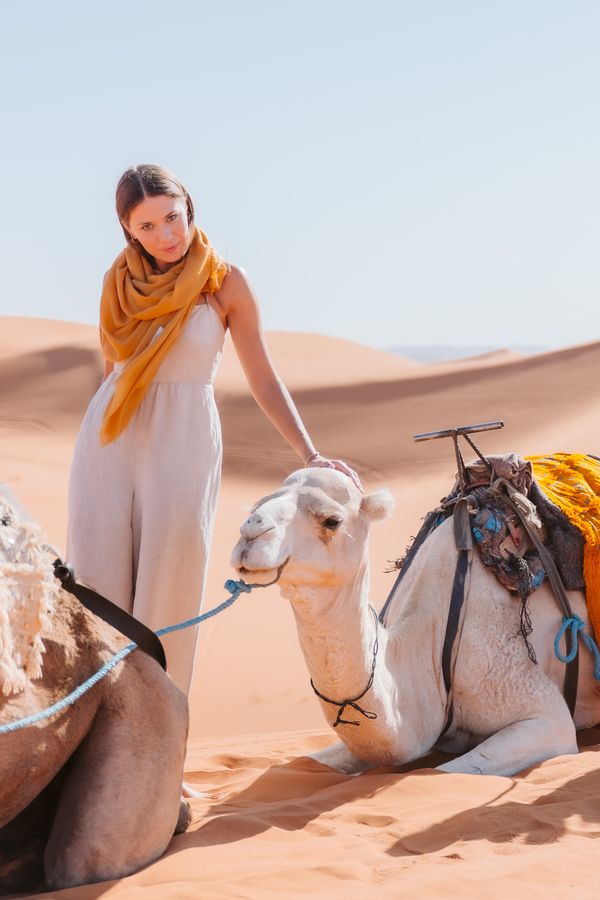
Camel Trekking: A must for Sahara tours; plan how long you’d like to spend on camel rides.
4×4 Expeditions: Perfect for exploring vast desert landscapes and remote spots.
Sandboarding: Available in many desert destinations.
Cultural Immersion: Visit oasis towns, meet local Bedouin or Berber tribes, and explore ancient desert sites like forts or caravanserais.
Photography: Plan for the best times for photography, such as during sunrise and sunset, when the desert light is most dramatic.
5. Route and Transport
Decide on your transportation: Are you traveling by car, bus, or plane to reach desert entry points?
If doing a desert tour, research the best operators that offer guided experiences. Some tours may include transport to desert starting points via 4×4 vehicles or camels.
6. Packing and Gear
Essential Clothing: Lightweight, breathable clothing, hats, sunglasses, and layers for temperature changes.
Footwear: Comfortable shoes for walking or trekking.
Protection from the Sun: Sunscreen, a wide-brimmed hat, and hydration packs.
Camping Gear: If you plan to camp, check what’s provided by your tour company (e.g., tents, sleeping bags, etc.).
Camera and Binoculars: For capturing desert landscapes and wildlife.
7. Health and Safety
Water: Always carry plenty of water, as desert conditions can be extremely dehydrating.
Medical Supplies: Pack basic first aid kits, including remedies for dehydration, heatstroke, and insect bites.
Local Hazards: Be aware of wildlife, like snakes or scorpions, and learn about any potential risks.
Travel Insurance: Make sure you’re covered for emergencies, especially if you plan to take part in physically demanding activities.
8. Cultural Etiquette
Research the local culture and customs, especially when visiting traditional nomadic communities. Respect local traditions and dress modestly in some regions.
Engage with local guides and residents in a respectful and open manner.
9. Budget Planning
Set a budget for accommodation, activities, food, transportation, and any extra costs (like souvenirs).
Tours to desert regions vary greatly in cost depending on the luxury level and duration. Some tours may be all-inclusive, while others may require separate payments for activities and meals.
10. Emergency Contacts and Local Information
Make sure you have emergency contact numbers, such as your tour operator, local authorities, or medical facilities.
Know the nearest towns or cities in case you need assistance or want to visit nearby cultural sites.
Example of a Desert Tour Planner for the Sahara Desert:
Light clothing for the day, warmer layers for the night.
Sunglasses, sunscreen, a hat, and comfortable trekking boots.
Safety Notes: Always keep water handy; be aware of local wildlife; follow the guide’s instructions.
By planning ahead with a Desert Planner, you can ensure a smooth and memorable experience in the desert while staying safe and respecting the environment and local cultures.